A Century of Plenty: New book shows how humanity can build a prosperous future by 2100
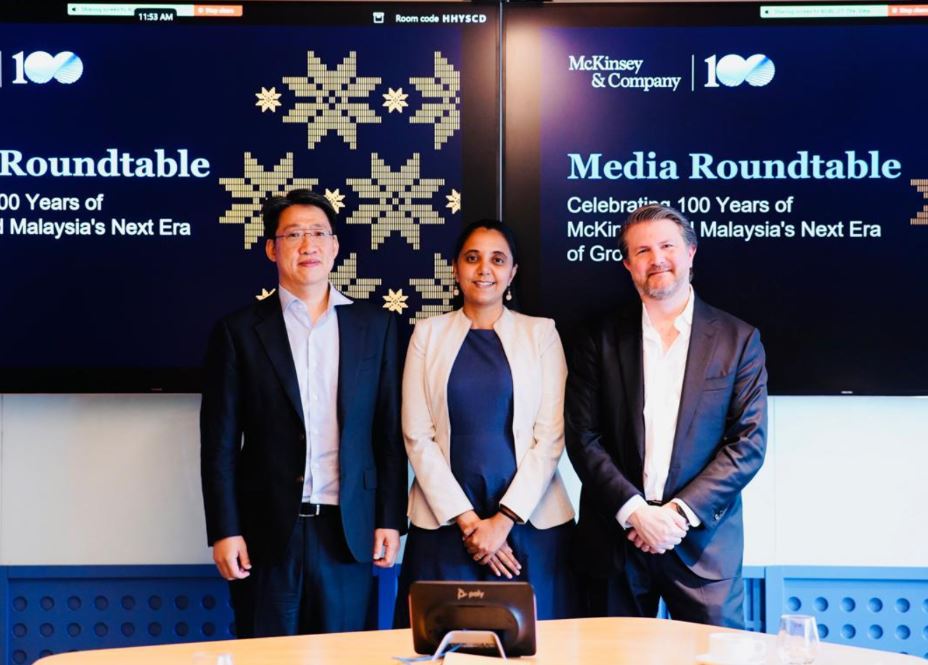
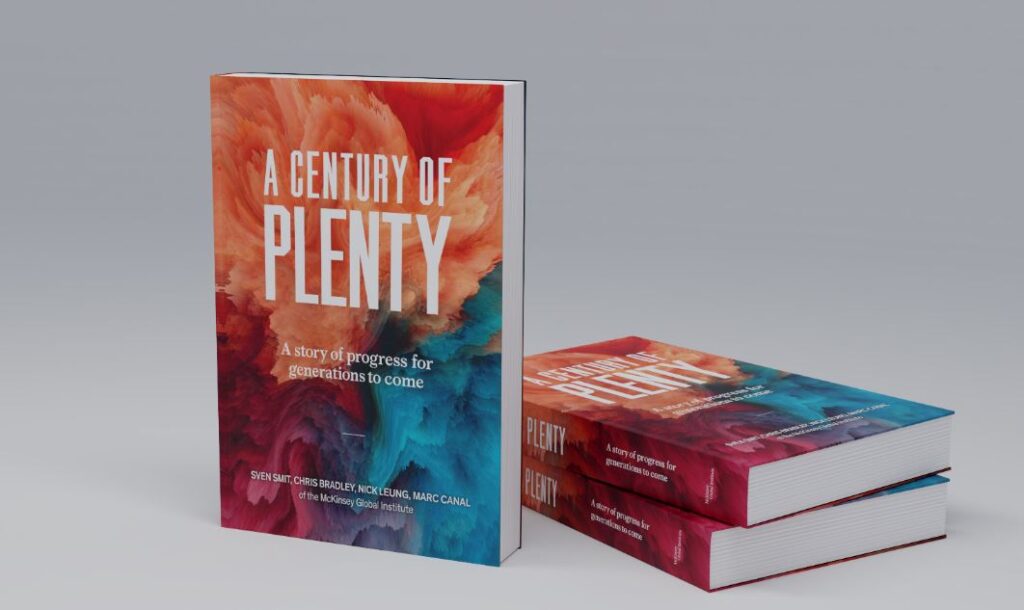
Humanity has made extraordinary progress over the past century. A new McKinsey Global Institute book published to mark McKinsey’s 100-year anniversary this year, A Century of Plenty: A Story of Progress for Generations to Come, asks whether the unprecedented advances between 1925 and 2025 can be repeated or even surpassed between now and 2100. The answer is a resounding yes.

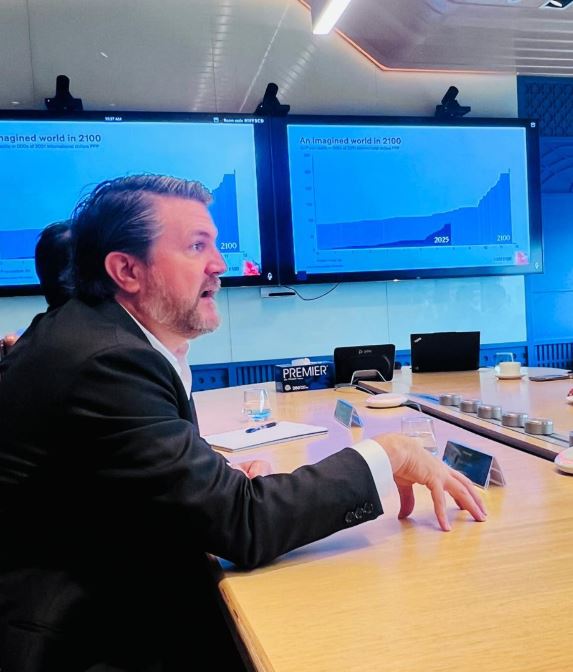





By 2100, even the poorest country in the world could match, and others surpass, average incomes in Switzerland today. To make this happen, the world economy would need to be 8.5 times larger. We have enough energy, metals and minerals, and food. There is enough scientific and technological headroom to enable leaps in productivity. And all of this can be achieved without additional strain on the climate, so long as the fruits of growth are used to transition to clean energy.
“A century of human ingenuity has created a world that would have been unrecognizable in 1925. People’s lives have been transformed,” said Sven Smit, a McKinsey senior partner and a co-author. “But less than half of humanity is economically empowered. So, we tested whether very high levels of prosperity are possible everywhere by 2100. The numbers add up. We can.”
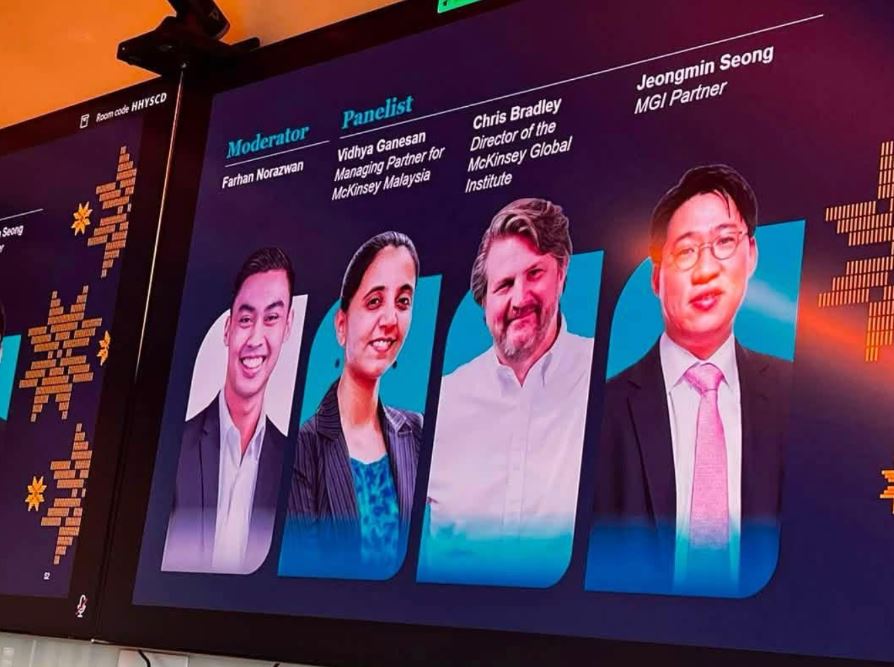
Chris Bradley, an MGI director and co-author, said, “Our analysis asks a bold question—what would it take for every person on Earth to live as well or better than someone in Switzerland does today by 2100? When we rigorously test the constraints, we show that there is enough energy and sufficient minerals and metals to power growth and prosperity while protecting the planet; that we can comfortably grow food even for a population of 12 billion without using more land, and that there is plenty of juice left in the innovation machine. We do not see physical limits on growth, only limits in hearts and minds.”
The book starts with a look back at the past 100 years. Global gross domestic product (GDP) per person rose sixfold, from about $3,000 in 1925 to about $20,000 today (measured in purchasing power parity). Life expectancy increased by about 40 years. Some 60 percent of people lived in extreme poverty a century ago; now it is less than 10 percent. In 1925, only about one-third of people could read or write; now it’s nine of every ten of us.
This progress was not accidental. It was powered by a machine made up of eight interlocking forces: workers, skills, investment, invention, energy, cities, trade, and markets. The data are striking. Capital per worker is now nine times higher than in 1925. Electricity, once a privilege for the few, now reaches 92 percent of people. In 1925, only 20 percent of people lived in cities; now it is nearly 60 percent. Exports were 10 percent of global GDP; now they are 30 percent.
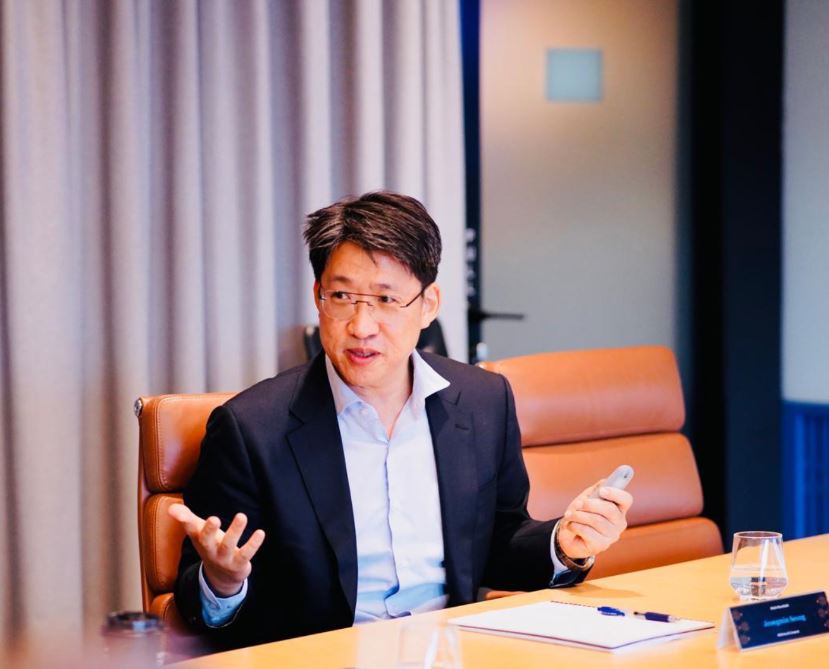
“The impressive advances of the past 100 years may seem like a magic trick. But there were mechanics behind the magic,” said Nick Leung, an MGI director and co-author. “The progress machine has eight interlocking parts that work together in an elegant jigsaw to create forward momentum, propelling unprecedented human advances.”
But the progress machine is losing power and creating too much dirty exhaust. A demographic dividend is turning into a demographic drag. Fertility rates have declined in 90 percent of the world’s countries. Investment and productivity growth have weakened. Since the 2008 financial crisis, net investment fell from about 7 percent of GDP to less than 3 percent in Germany, Japan, the United Kingdom, and the United States. Energy has been critical to economic empowerment but is the source of carbon emissions and other harm to the environment. Free-flowing global trade has been a powerful part of the progress engine, but the system is becoming more fragile as geopolitical rivalry exerts a more pervasive influence. And our institutions are experiencing an erosion of trust.
Marc Canal, an MGI senior fellow and co-author, said, “The progress machine is straining. Economic growth is not without hazards and there are real and serious tensions and issues. But they do not negate the tremendous progress that humanity has made. Indeed, growth is the most powerful way to address them.”
The book sets an ambitious aspiration for a century of plenty and then tests its feasibility, building on what we have learned over the past 100 years. The stress test, which uses conservative assumptions and is based on existing technologies, shows that a century of plenty is physically feasible.
Energy supply could double or triple, with clean electricity scaled 30-fold. Material reserves are sufficient even at rates of discovery and extraction well below historical ones. Agricultural yields need only increase between 0.2 and 1.3 percent a year, a slower pace than in past decades, to feed 12 billion people with protein-rich diets without expanding farmland. Climate goals remain challenging, and net zero by 2050 is unlikely, but with sustained growth and investment, global warming could still be limited to around two degrees Celsius. Innovation will be critical: productivity must rise at 2.7 percent a year. Artificial intelligence is the most powerful technology yet, and many others from biotech and space to energy-related innovations show great promise.
We appear to be undergoing a crisis of hope, but there is a positive story to tell. There is a real opportunity for plenty and enough for all—so long as we believe in growth and actively build our future.
About the McKinsey Global Institute. MGI was established in 1990. Our mission is to provide a fact base to aid decision making on the economic and business issues most critical to the world’s companies and policy leaders. We aim for independent and fact-based research. None of our work is commissioned or funded by any business, government, or other institution; we share our results publicly free of charge; and we are entirely funded by the partners of McKinsey. For further information about MGI and to download all reports for free, please visit: www.mckinsey.com/mgi.